Columnist
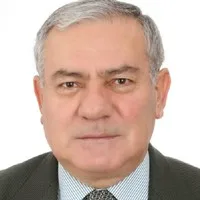
Hüseyin Polat
Cooperative Economist, Türkiye
Former official, ILO Cooperatives Branch · Policy and strategy adviser on cooperatives, International Co-operative Alliance (ICA) · Honorary professor, Anhui University
Hüseyin Polat studied mathematics at Middle East Technical University, engineering at Gazi University, and cooperative management at the University of Wisconsin in the United States. He entered Turkey's cooperative movement as a student in 1969, helping to found and then head the cooperative affairs bureau of the Türk-İş labour confederation, and later served as General Manager of the Yol-Koop consumer cooperative federation.
From 1986, as project specialist and project manager, he led ILO cooperative-development projects in Myanmar, India, China, the Philippines, Vietnam and Thailand. In 1990 he led the ILO project to build China's national cooperative education and training system, for which Anhui University awarded him an honorary professorship in cooperative education and management — his earliest and most direct connection to China's cooperative movement. From 1991 he moved to the ILO's Cooperatives Branch at its Geneva headquarters, and took part in the technical committee that drafted ILO Recommendation No. 193 concerning the Promotion of Cooperatives (2002).
He subsequently continued as a senior ILO adviser on cooperative reform in Arab states (Lebanon, Egypt and others) and in Africa (through the COOPAfrica project), and serves as policy and strategy adviser on cooperatives to the International Co-operative Alliance (ICA). He has published more than 30 books (20 of them in English), and has long written columns for platforms such as Turkey's Sosyal Ekonomi, covering cooperative legislation, platform cooperatives, agricultural-marketing cooperatives and the history of the cooperative movement.
Connection with China
In 1990 Polat served as project manager of the ILO project that built China's national cooperative education and training system, training the country's first generation of cooperative instructors; in recognition, Anhui University awarded him an honorary professorship in cooperative education and management. This makes him one of the few international cooperative experts to have been closely involved, from an early stage, in building China's supply and marketing cooperative education system — and a key reason the Observatory invited him to contribute a column.
Career
Selected Articles
Proposes a jointly built "taxi-drivers' platform cooperative" (İSTKOOP), run by the municipal authority together with taxi-driver cooperatives, as a cooperative-governance response to Istanbul's urban transport and ride-hailing regulatory challenges.
View the author's column page →Analyses how the draft amendment to Turkey's Cooperatives Law would affect governance structures, regulatory authority and the legal definition of cooperative status.
View the author's column page →Traces the periodic "rediscovery" of the global cooperative movement in response to crisis and inequality, echoing the ILO's and ICA's recent policy shift towards promoting cooperatives as vehicles for decent work and the social solidarity economy.
View the author's column page →A first-person account of his observations during the ILO's cooperative project in Myanmar, an important oral-history source for understanding his early field experience.
View the author's column page →A systematic review of the historical evolution and development challenges of cooperatives in Arab states, providing a policy basis for the ILO's regional cooperative-revitalisation agenda.
View the ILO original →Sources
- ILO Regional Office for Arab States, Cooperatives in the Arab World background paper, Beirut, 2010
- Sosyal Ekonomi (sosyalekonomi.org) · Hüseyin Polat author/column page
- Related coverage on Türkiye Koop (turkey.coop)
- Public materials from the ILO / COOPAfrica project; the ICA website, ica.coop
- The reference to an "honorary professorship at Anhui University" on this page is translated from public Turkish-language reporting; no corresponding official Chinese-language release has been located, and corrections are welcome if this is inaccurate
This page was compiled and translated from public materials by the Observatory. It reflects the views of the author alone and does not represent the official position of the ILO, the United Nations, the ICA or Anhui University.